 Racing
 © Eterna
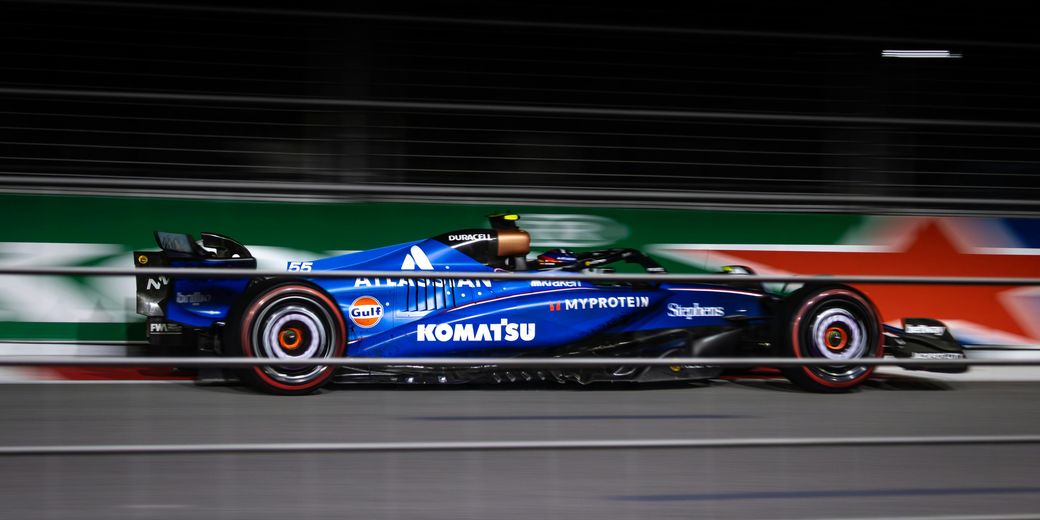
Carlos Sainz says Williams’ Silverstone upgrade “has not worked,” turning the team’s difficult British Grand Prix into a warning about a deeper problem in how the FW48 is being developed.
Williams arrived at Silverstone expecting its new front wing to deliver a meaningful first step forward, but Sainz said that gain never appeared on track. He called the situation “concerning and frustrating” because the team expected “a significant step forward” and did not get it, adding that Williams is “not bringing the performance that we thought we were.”
His biggest concern was not only the result, but what it said about the team’s tools back at the factory. Sainz said that when a part shows “a lot of improvement” in the wind tunnel and simulator but delivers “not even a very small step forward” on track, “that means something is not working in our calculations, in our numbers, in our development.” He said the team needs a serious analysis because “it’s clear to me now that we’re having serious issues when developing this car.”
That verdict was shaped by a race that briefly hinted at more. Sainz started 14th and made up places on the opening lap, getting himself into the points, but said Williams soon dropped back to where it had been all weekend. “The Alpine and the Audis were just simply too quick for us,” he said, adding that the car eventually returned to its qualifying level of “14th, 15th.”
James Vowles, Williams team principal, backed that assessment after the team left its home race without a point. He described Silverstone as “a tough weekend at an iconic Grand Prix” and said, “Carlos did everything right, but the car simply isn't fast enough.” Vowles added that while Williams made “a small step” over the weekend, “others are making far larger leaps than we are,” and said the team must dig into whether it is “really getting the performance we expected.”
Sainz’s frustration also comes against the backdrop of rivals finding bigger gains under the current rules. He said Williams has removed a lot of weight from the car, yet the gap is still growing rather than shrinking. He even contrasted Silverstone with Suzuka, saying Williams was 1.6s off there with an overweight car but around two seconds off at Silverstone despite being in better shape on weight, which only reinforced his view that expected lap time is not reaching the track.
That leaves far more pressure on Williams’ next steps. A larger package and a B-spec car are planned for Baku, but Sainz said he sees no reason to assume that will solve the problem unless the team first understands why its current upgrades are failing to translate. “We need to first understand why what we are bringing currently is not working before arriving at Baku with a new package,” he said, warning that weight reduction may help, but the bigger issue is still why Williams’ aerodynamic calculations are not producing the performance it expects.